01Benefit
No Digging Required
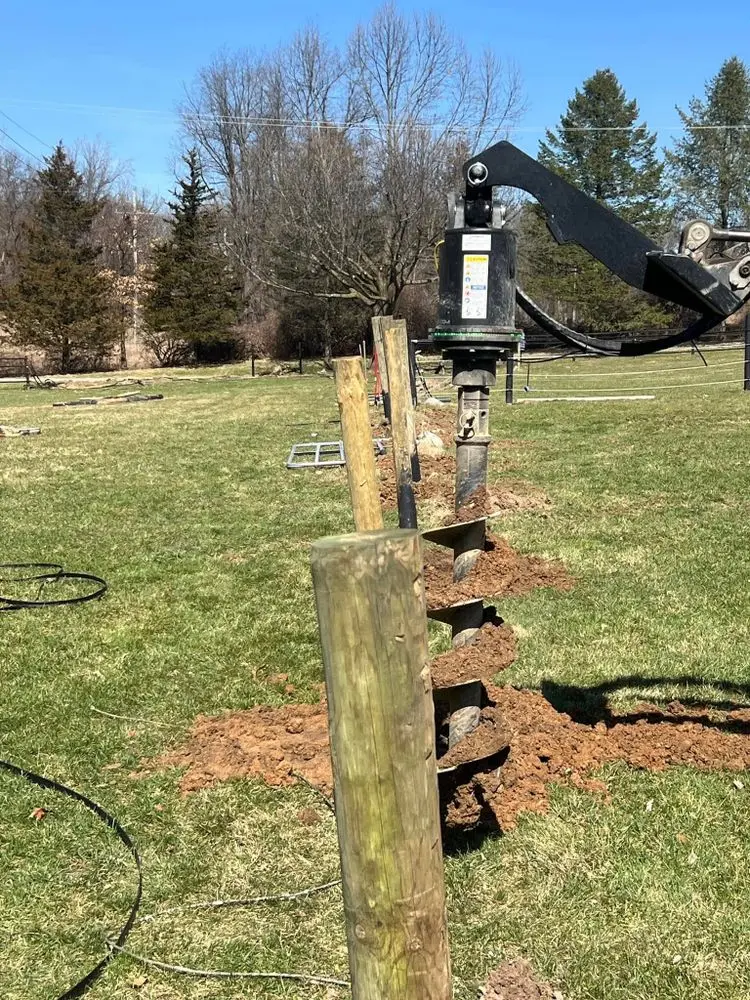
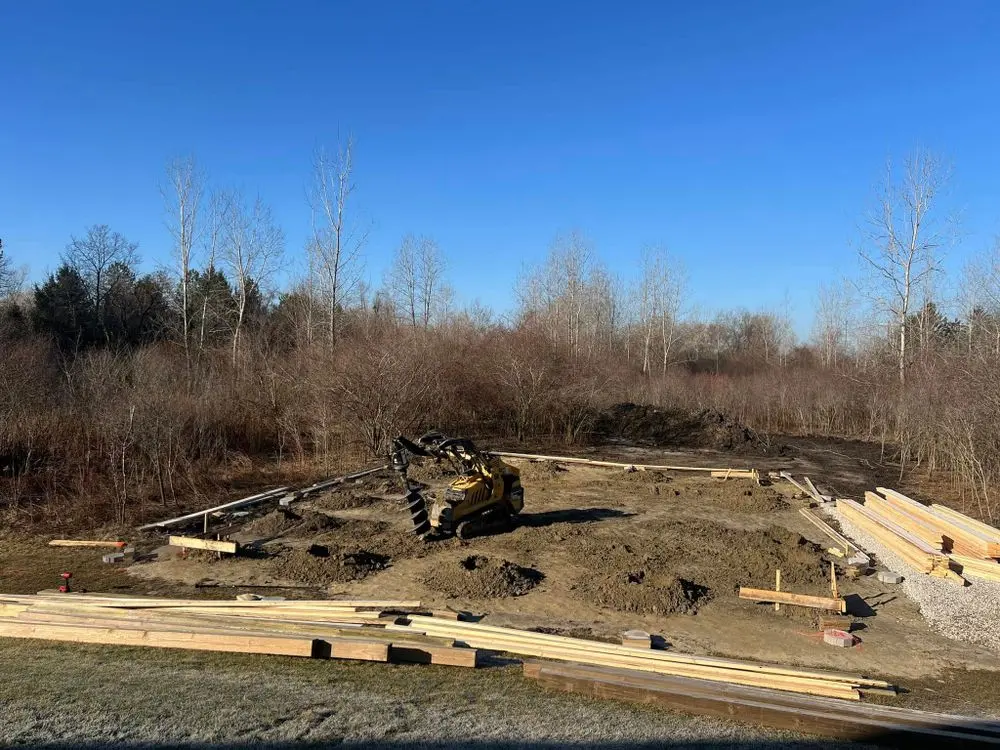
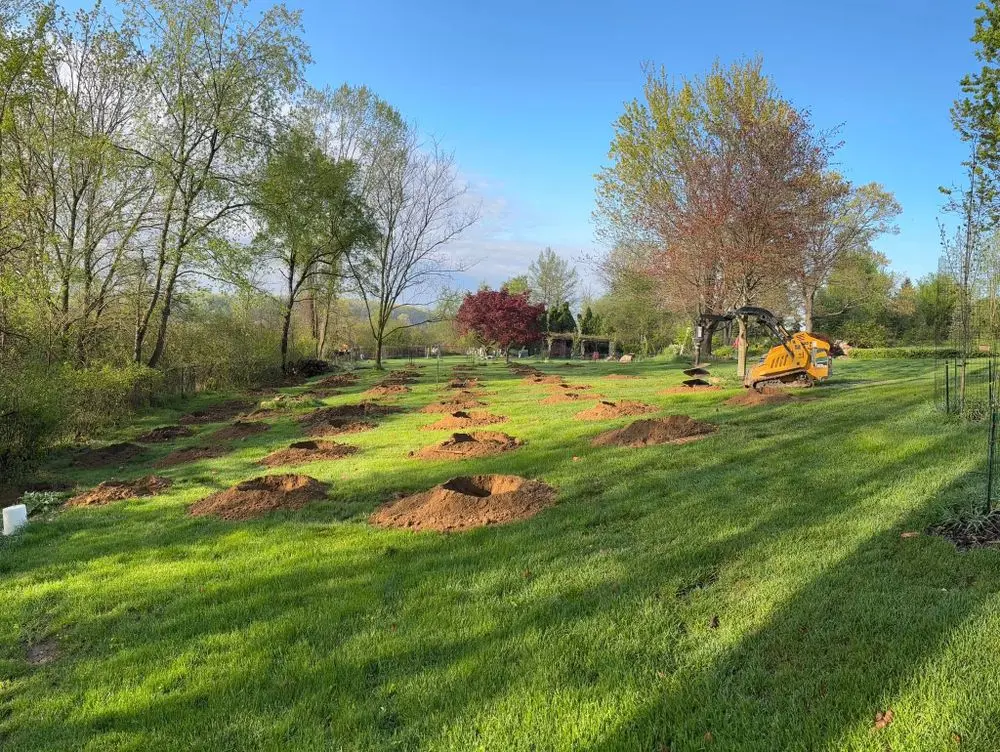
Ground screws are driven directly into the soil using specialized equipment. There is no excavation, no spoil piles, and no mess to clean up.
Verified Standard
Helical ground screws installed fast with no digging, no concrete, and no curing time. Build the same day across Southeast Michigan, Mid-Michigan, and Northwest Ohio.
Overview
Ground screws are changing the way foundations are built. Mr. Posthole installs helical ground screws as a modern, efficient alternative to traditional concrete footings for a wide range of residential and commercial projects across Southeast Michigan, Mid-Michigan, and Northwest Ohio. These galvanized steel foundation anchors are mechanically driven into the ground using specialized equipment — no digging, no concrete mixing, no curing time, and no heavy excavation.
A helical ground screw consists of a central steel shaft with one or more spiral-shaped plates welded to the lower end. When driven into the ground, the helical plates pull the screw deeper while compressing and gripping the surrounding soil, creating a stable, load-bearing anchor point. Unlike concrete footings that require 24 to 48 hours to cure before construction can begin, ground screws are ready for building immediately after installation. They can be installed in most soil types, in tight or hard-to-access spaces, and in conditions where traditional excavation would be disruptive or impractical.
Ground screws are ideal for decks, fences, sheds, pergolas, boardwalks, solar panel arrays, signage, and many other structures. They are also removable and reusable — if a structure needs to be relocated or removed, the screws can be extracted from the ground with minimal site disturbance. For projects where speed, environmental impact, or site access are priorities, ground screws offer a compelling advantage over traditional methods.
Why It Matters
What you actually get when professional hydraulic auger drilling meets a job that's been done a thousand times before.
Ground screws are driven directly into the soil using specialized equipment. There is no excavation, no spoil piles, and no mess to clean up.
Unlike concrete footings that require 24 to 48 hours of curing time, ground screws are load-bearing the moment they're installed. Start building the same day.
No concrete production, minimal soil disturbance, and fully removable if the structure is ever decommissioned.
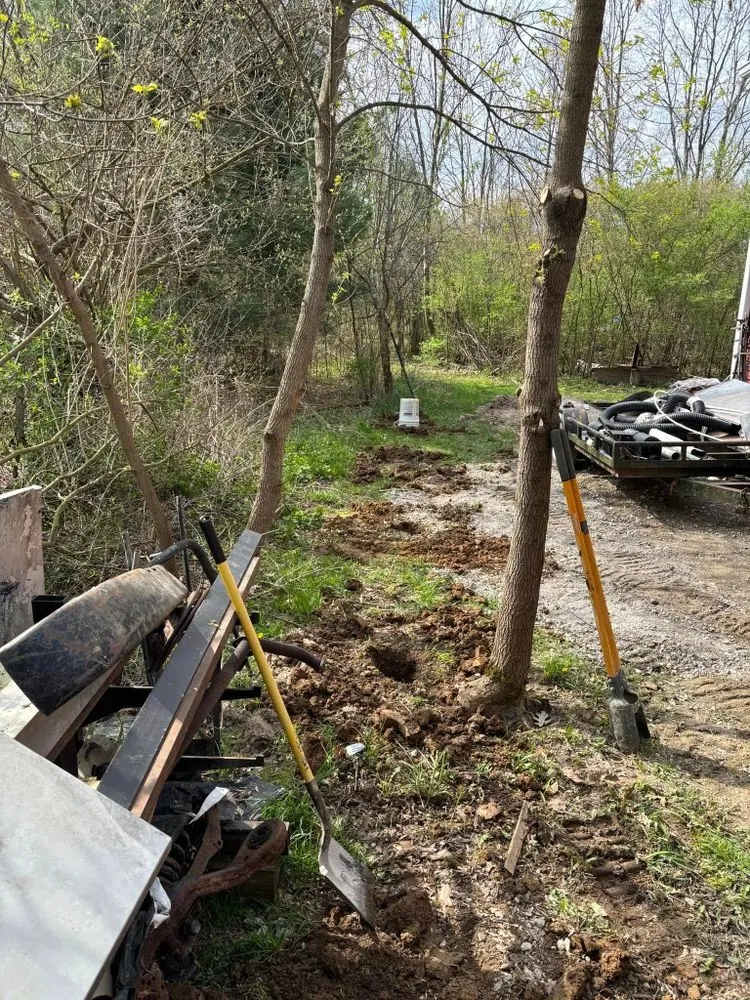
Ground screws can be installed in areas where traditional excavation equipment can't access — close to buildings, in established landscapes, on slopes, and in confined spaces.
If a structure needs to move or be removed, ground screws can be unscrewed from the ground and reused, leaving the site virtually undisturbed.
Made from galvanized steel, ground screws resist rust and decay, providing a long-lasting foundation without the cracking and deterioration that concrete experiences over time.
Where We Drill This
If your project looks like one of these — or even close — we can drill for it. If it doesn't, ask anyway.
Tell Us About Your ProjectDeck and patio foundations
Fence post foundations
Shed and outbuilding foundations
Pergola and gazebo foundations
Boardwalks and raised walkways
Solar panel ground-mount arrays
Signage and light pole foundations
Temporary and seasonal structures
Frequently Asked
Straight answers to the things customers actually ask before booking a ground screws job.
Yes. When properly sized and installed, helical ground screws meet or exceed the load-bearing capacity of traditional concrete footings. They distribute weight through the shaft and helical plates into competent soil layers. Ground screws are engineered and tested for specific load ratings.
Ground screws perform well in most soil types, including the clay-heavy soils common across Southeast Michigan and Mid-Michigan. The helical plate design is particularly effective in cohesive soils like clay. We assess soil conditions before installation to ensure the correct screw size and length are used.
Ground screws can be used for code-compliant foundations when properly engineered. Many municipalities accept them, though requirements vary. We recommend checking with your local building department. For permitted projects, we can provide manufacturer load ratings and installation documentation.
Ground screws are not typically recommended for heavy permanent structures like houses or large commercial buildings that require deep continuous footings. They are best suited for lighter structures such as decks, fences, sheds, pergolas, solar arrays, and similar applications. Extremely rocky ground or shallow bedrock can also limit their use.
Don't See Your Question?
Email Kirk directly — most replies come back within a few hours during business days.
Ask a QuestionOther Services